

Anxiety Counselling in Farnham
welcome | I’m glad you’re here
If you’re here, you might be feeling anxious, overwhelmed or not quite yourself
You may find your mind is always busy ~ overthinking, worrying or struggling to switch off
Or perhaps there’s a constant sense of unease sitting in the background, even when things seem “fine” on the outside.
Anxiety can feel exhausting to carry on your own.
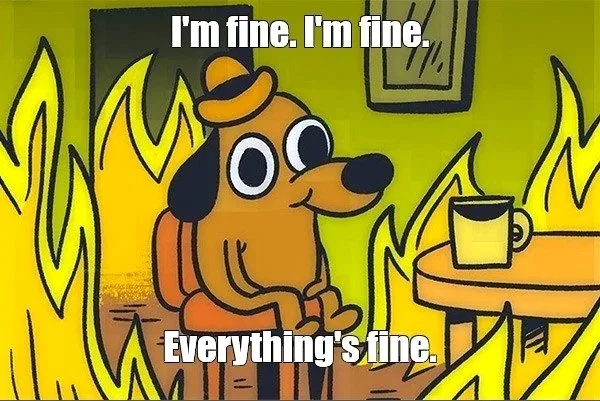
how anxiety can feel
Anxiety looks different for everyone, but you might notice:
your thoughts going round in circles
feeling overwhelmed more easily than you used to
difficulty relaxing or switching off
changes in your sleep or energy
a tightness in your chest, stomach, or body
feeling irritable, emotional or just not yourself
sometimes there’s a clear reason for these feelings
sometimes there isn’t
which can feel confusing in itself
a space to be heard and understood
Counselling offers you the opportunity to explore what’s going on in a confidential, supportive space without judgement.
I aim to offer a relationship in which you are free to be completely you | a space to feel safe, heard and accepted.
Together, we can gently begin to make sense of your anxiety, at your pace.
There’s no pressure to have the right words or to explain everything perfectly.
Each session is yours to use as you wish
how we can work together
We can take time to:
explore what may be contributing to how you’re feeling
understand patterns in your thoughts and emotions
find ways to ease the sense of overwhelm
help you feel more steady and more like yourself again
I work integratively, which means I adapt each session to suit you and your needs.
taking the first step
I understand that reaching out for counselling can feel daunting. You don’t need to have everything figured out ~ just a sense that you’d like things to feel different
I offer counselling from my private cabin in Farnham, as well as online sessions
Take your time looking around the site, and if you feel ready, you’re very welcome to get in touch
you don’t have to go through this alone
9 ways to help reduce anxiety
Talk it through
Take a deep breath
Write a diary
Practise yoga and mindfulness
Keep fit
Remember it will pass
Break it down into smaller tasks
Talking therapy
Medication
1. Talk it through
Talking about what triggers anxiety with a friend or partner – someone who knows you well and you can trust – can help. Talking to someone away from the home environment can also help. Remember - you are not alone.
2. Take a deep breath
Breathing more deeply can make you feel a lot calmer.
Breathe in through your nose and out through your mouth. Try to keep your shoulders down and relaxed, and place your hand on your stomach – it should rise as you breathe in and fall as you breathe out. In for 4 seconds, hold for 2 seconds and out for 4 seconds, Repeat until you feel calmer.
3. Write a diary
Keeping a diary can help you see how you’re feeling day to day as well as what helps or triggers stress and anxiety.
4. Practice yoga and mindfulness
Yoga and mindfulness may help you relax, sleep better and manage the symptoms of anxiety and panic attacks. There are lots of mindfulness apps available, some of which, like Smiling Mind, are free.
5. Keep fit
Exercise can help you manage anxiety and panic attacks.
Thinking about exercising can be overwhelming, but just going for a short walk every day can give you some time to yourself. There are lots of different types of exercise. The important thing is to find something you enjoy.
6. Remember it will pass
Reassure yourself that the symptoms you’re experiencing are caused by anxiety and will pass. This can help you feel calmer and less fearful of future bouts of anxiety.
7. Break it down into smaller tasks
Big tasks can feel impossible, but breaking them down into smaller tasks can make them feel easier to complete.
8. Talking therapy
Talking therapies, such as therapeutic counselling and cognitive behavioural therapy (CBT), are becoming more widely available. CBT focuses on changing the way you think and behave and teaches coping skills for dealing with different problems. Having access to counselling or therapy may also be useful. A trained therapist will work with you to understand the causes of your anxiety, and to find strategies to help manage it.
9. Medication
Certain types of medication can be helpful and these can be used in addition to other self-help strategies. Antidepressants and beta-blockers are two of the most commonly used medications.
When the bucket overflows
The charity Anxiety UK has a useful way to think about stress and anxiety. Imagine that stress levels are like water in a bucket. If stressors are added to the bucket, even tiny ones like the school run or commuting to work, over time the buckets fills up. Then one day, often after what seems like a trivial trigger, it overflows.
At times the simple things in life can seem overwhelming, and the physical and psychological symptoms that anxiety brings can be difficult to understand and cope with.
Finding a way to have a bucket with holes in the bottom can, in the long term, reduce overall stress levels and anxiety. Each one of these holes could be something positive that’s done to manage anxiety.
Recognise the signs
Physical feelings of anxiety can include a racing heart, light-headedness, headaches, churning in the pit of the stomach and, for some people, panic attacks.
The psychological signs of anxiety can be harder to identify. Experiencing a sense of dread or numbness, the mind racing, restlessness, not being able to concentrate and fearing the worst are all symptoms of anxiety.
Recognising these signs and symptoms can sometimes be difficult and seeking help and support is often the hardest thing to do. But taking this first step can be the key to breaking the cycle of feeling fearful and insecure.
Useful resources
Mind provides information and support to anyone with anxiety or other mental health issues.
Anxiety UK works to relieve and support people living with anxiety and anxiety-based depression.
Smiling Mind is a free guided meditation app that can help with anxiety.
